Chanting with a japa mala in Hindu culture weaves devotion, focus, and spiritual serenity into every sacred syllable. This practice, rooted in ancient tradition, holds profound significance:
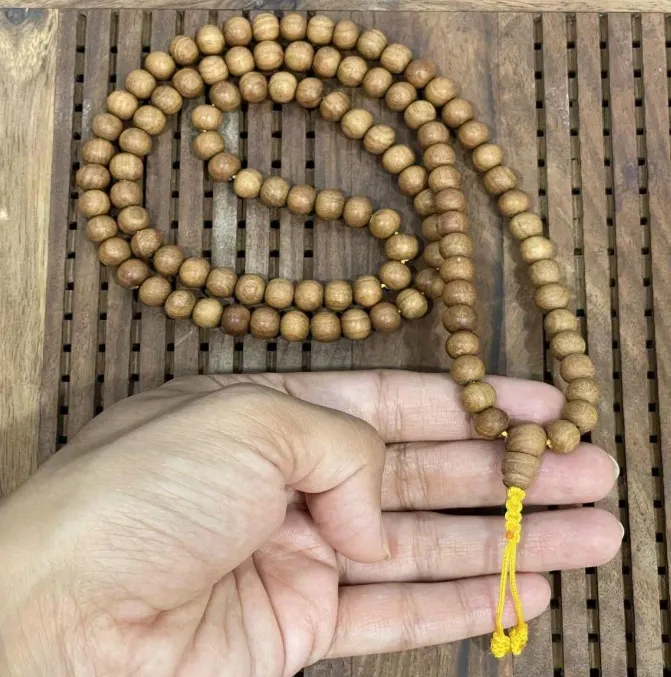
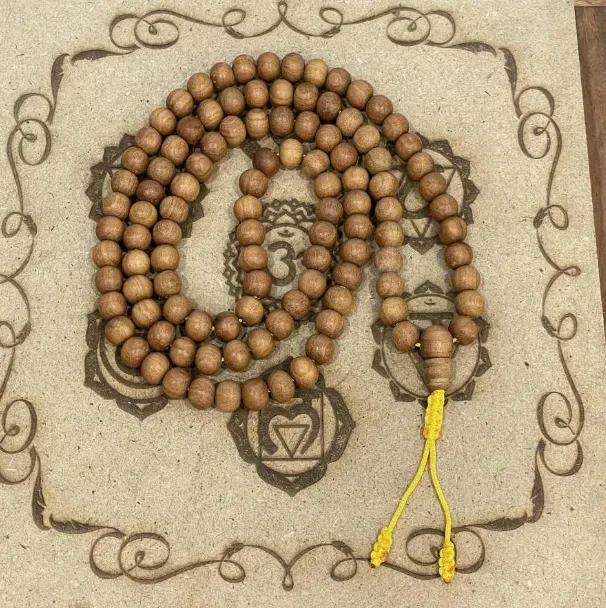
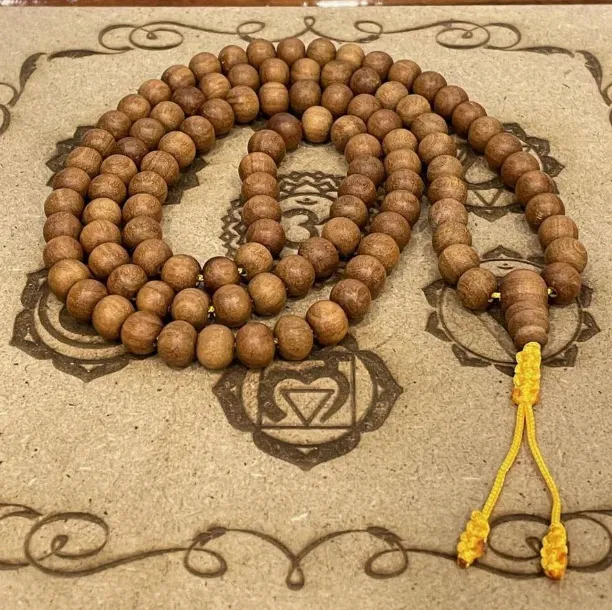
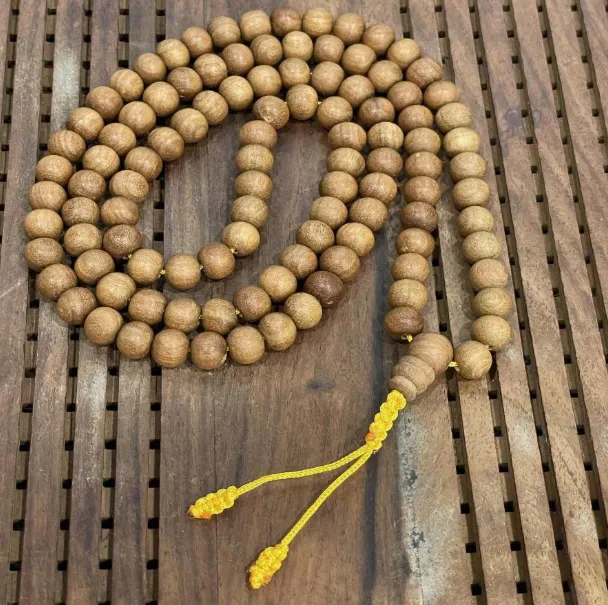
- Spiritual Connection: The japa mala, typically with 108 beads, guides the repetition of mantras, fostering a deep bond with the divine. Each bead is a step closer to deities like Vishnu, Shiva, or Devi, channeling their energies.
- Mental Focus: The tactile rhythm of moving from bead to bead anchors the mind, curbing distractions. This meditative discipline sharpens concentration, aligning thoughts with spiritual intent.
- Purification and Serenity: Mantras, such as “Om Namah Shivaya” or “Hare Krishna,” carry vibrational power believed to cleanse the soul and environment. Chanting purifies negative karma, inviting inner peace.
- Ritual Structure: The mala’s 108 beads symbolize cosmic cycles, with the 109th “sumeru” bead marking completion. This structure ensures mindful recitation, often in sets of 108, amplifying spiritual merit.
- Devotional Discipline: Daily japa cultivates a habit of reverence, embedding spirituality into life’s rhythm. Devotees often chant at dawn or dusk, aligning with sacred times.
- Community and Tradition: Japa connects practitioners to a lineage of seekers, reinforcing cultural identity. Group chanting, as in kirtans, strengthens communal bonds.
With each bead, the japa mala threads devotion into the heart, its sacred syllables resonating with the eternal, guiding the soul toward liberation.

Reviews
There are no reviews yet.